
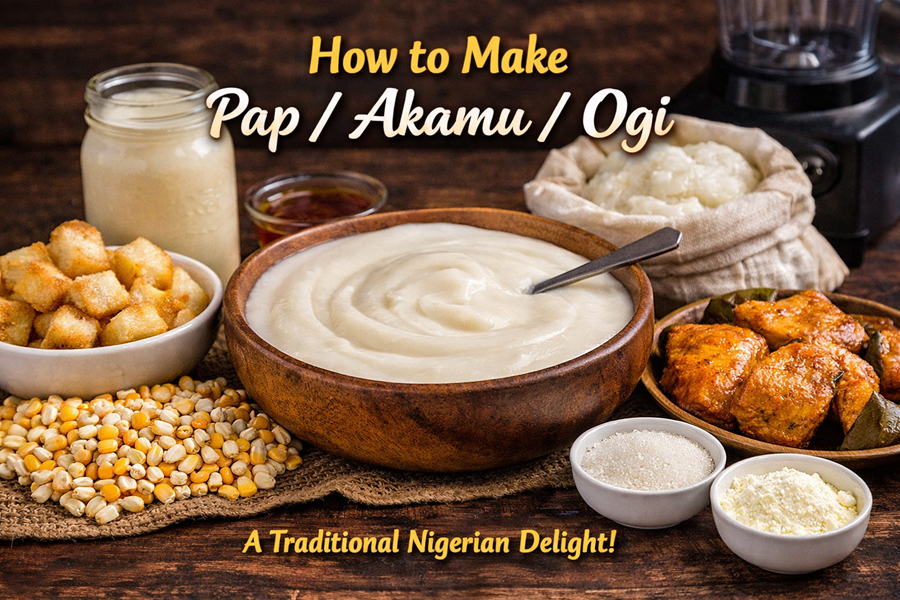

Learn How To Make Pap From Fermented Corn To Akamu with this easy, traditional Nigerian method. This step-by-step guide covers ingredients, fermentation tips, health benefits, and serving ideas for smooth, nourishing pap.
🌟 Pap/Akamu/Ogi: A Complete And Practical Guide
How to make Pap from Fermented Corn to Akamu is one of the most treasured traditional food skills in Nigerian homes. Pap—also known as Akamu, Ogi, or Koko depending on the region—is a smooth, fermented corn cereal enjoyed across generations.
In many Nigerian households, knowing how to make Pap from fermented corn to akamu is considered a foundational kitchen skill. It is commonly served as breakfast, used as a weaning food for babies, and enjoyed by adults recovering from illness due to its gentle, soothing nature.
This detailed guide will teach you how to make Pap from fermented corn to akamu from scratch using the authentic method—no shortcuts, no additives—just pure, naturally fermented corn transformed into silky smooth pap.
🌽 What Is Pap/Akamu/Ogi?
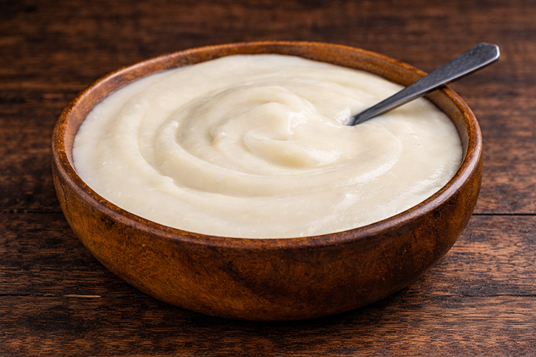
Pap, also known as Akamu or Ogi, is a traditional fermented cereal pudding widely consumed across West Africa, particularly in Nigeria. It is commonly eaten for breakfast and enjoyed by people of all ages, from babies to adults.
Pap is traditionally made from fermented dry maize (corn), although millet or sorghum can also be used. The fermentation process gives pap its smooth, creamy texture and distinct, slightly sour taste, which makes it both refreshing and easy to digest.
Although pap may appear simple, many people find it challenging to make perfectly, especially achieving the correct thickness and smooth consistency. In Nigerian homes, pap is often enriched with evaporated milk for better flavour. The secret to a perfect bowl of pap lies in ensuring the starch is thick enough before adding milk, so the final texture remains balanced and silky.
This guide explains how to make pap from fermented corn to akamu and how to cook it properly for breakfast, using trusted traditional methods.
Table of Contents
❤️ Why You’ll Love Pap/Akamu/Ogi
You will love learning how to make pap from fermented corn to akamu because it is:
- Naturally fermented and easy to digest
- Affordable and made with simple ingredients
- Suitable for breakfast, babies, and light meals
- Comforting, filling, and nourishing
- Highly versatile and customisable
Mastering how to make pap from fermented corn to akamu means you can enjoy fresh, hygienic pap anytime without relying on store-bought versions.
🥣 Preparation Of Pap From Fermented Corn
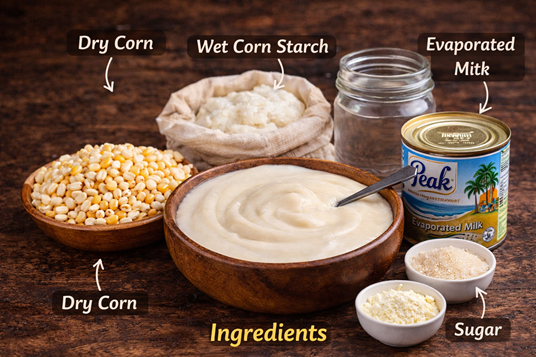
🌽 Ingredients Needed
To successfully learn how to make pap from fermented corn to akamu, you only need a few basic ingredients:
- Dry Corn (Maize) – 1–2 kg
- Use white corn for white pap
- Use yellow corn for yellow pap
- Clean Water
- Needed for soaking, washing, blending, and sieving
That’s all you need to make authentic pap from fermented corn.
🧰 Equipment And Tools Needed
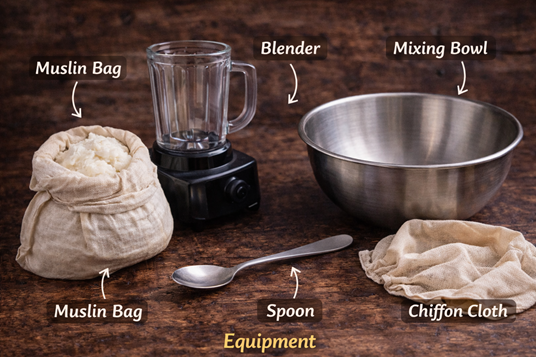
The following kitchen tools are essential when learning how to make pap from fermented corn to akamu:
🧵 Chiffon Cloth
- Used to strain blended corn
- Separates smooth starch from chaff
- Helps achieve a fine, lump-free pap
🔌 Blender Or Grinder
- Used to blend or grind fermented corn into a smooth paste
🧺 Muslin Bag
- Used to drain excess water from the starch
- Can be made from tightly woven cotton, calico, or canvas
- Must be washed thoroughly before use
- Salt residue must be avoided, as it affects thickening
🥣 Bowl
- Any suitable-sized bowl may be used
- Ensure it is large enough for mixing and rinsing
⚠️ Important Notes Before You Start
When learning how to make akamu at home;
- Always use dry corn, not fresh corn
- Fresh corn lacks the starch needed for pap
- A large quantity of water is required throughout the process
- Avoid salt completely during processing
- Salt prevents pap from thickening during cooking
👩🏽🍳 Step-By-Step Guide: How To Make Pap From Fermented Corn To Akamu
🔹 Step 1: Wash And Soak The Corn
- Wash the dry corn thoroughly
- Soak in plenty of cold water
- Leave unrefrigerated for 3–4 days
- Wash and change the water daily
Fermentation is essential for flavour development and digestibility.
🔹 Step 2: Blend The Fermented Corn
- Drain the soaked corn
- Rinse thoroughly
- Blend with clean water until smooth
This fermentation stage is crucial in making pap from fermented corn to akamu, as it develops the sour taste and improves digestibility
🔹 Step 3: Sieve The Corn Mixture
- Spread a chiffon cloth over a large bowl
- Pour in the blended mixture
- Rinse gradually until only chaff remains
- Work in small batches to avoid spills
Optional:
- Re-blend the chaff to extract more starch if desired
🔹 Step 4: Allow The Pap To Settle
- Remove the chiffon cloth
- Leave the mixture undisturbed for at least 3 hours
- Once the water clears, gently decant it
🔹 Step 5: Drain Using A Muslin Bag
- Transfer the thick starch into a muslin bag
- Tie securely and allow water to drain
- Tighten the bag as water drains
- Place a weight on it and leave it overnight
This step allows the pap to develop its distinct sour taste.
⚠️ Do not refrigerate during this stage.
🔹 Step 6: Store The Pap
- Remove pap from the bag
- Cut into single-use portions
- Store in bowls or plastic bags
- Freeze until ready for use
🍲 How To Cook Akamu/Ogi/Pap
📝 Ingredients Needed
- Pap/Akamu/Ogi (corn starch)
- Cold water (room temperature)
- Boiling water
- Evaporated milk (optional but traditional)
- Sugar or honey (to taste)
🔥 Cooking Instructions
- Place pap lumps into a large bowl
- Break into smaller pieces with a spoon
- Add cold water gradually and mix until smooth
- Heat water in a kettle until boiling
- Stir the pap mixture again before pouring hot water
- Pour boiling water in a circular motion while stirring
- Allow pap to thicken
- Adjust the thickness with hot water if needed
- Add evaporated milk and sugar or honey
- Stir well until smooth and creamy
Congratulations—you’ve successfully completed the core process of how to make Pap from fermented corn to akamu.

💡 Tips For The Best Results
For perfectly smooth, well-set, and flavourful pap, follow these essential tips:
- Use only dry corn (maize): Fresh corn does not contain enough starch and will not thicken properly when cooked.
- Allow proper fermentation time: Soak the corn for 3–4 days at room temperature to develop the characteristic sour taste and improve digestibility.
- Change soaking water daily: This prevents unpleasant odours and ensures clean fermentation.
- Avoid salt completely during processing: Salt will stop the pap from thickening when hot water is added.
- Blend very smoothly: A smooth blend makes sieving easier and results in lump-free pap.
- Sieve thoroughly: Take your time during sieving to remove all chaff for a silky texture.
- Let the starch settle fully: Allow at least 3 hours for proper separation before decanting the water.
- Drain well in the muslin bag: Removing excess water helps the pap set firmly and store better.
- Stir continuously when cooking: Always stir while adding hot water to prevent lumps.
- Add milk after thickening: Pap should be thickened first before adding evaporated milk or sweeteners.
🍽️ Serving Suggestions
Pap made using how to make Pap from fermented corn to akamu can be served with:
- Akara (bean cakes)
- Moi-Moi
- Fried yam
- Fried plantain (dodo)
- Bread
🔄 Variations
- Yellow Corn Pap – richer colour and slightly sweeter taste
- Millet Pap – commonly used in northern Nigeria
- Sorghum Pap – deeper flavour and darker colour
The method of how to make pap from fermented corn to akamu remains the same.
📊 Nutritional Information (Approximate Per Serving)
| Nutrient | Amount | % Daily Value (DV) | Source |
|---|---|---|---|
| Calories | 120 kcal | 6% | https://fdc.nal.usda.gov |
| Carbohydrates | 26 g | 9% | https://fdc.nal.usda.gov |
| Protein | 2.5 g | 5% | https://fdc.nal.usda.gov |
| Fiber | 1.5 g | 6% | https://fdc.nal.usda.gov |
| Iron | 1.2 mg | 7% | https://fdc.nal.usda.gov |
🌱 Health Benefits Of Pap/Akamu/Ogi
Learning how to make pap from fermented corn to akamu offers several health benefits. Fermentation enhances gut health by supporting beneficial bacteria.
- 🦠 Supports Digestive Health: Fermentation introduces beneficial probiotics that help maintain healthy gut bacteria.
- ⚡ Provides Quick Energy: High carbohydrate content makes pap ideal for breakfast.
- 💧 Promotes Hydration: Prepared with water or milk, contributing to fluid intake.
- 🧬 Improves Nutrient Absorption: Fermentation enhances nutrient bioavailability.
- 🧠 Gentle and Versatile: Suitable for babies, the elderly, and people recovering from illness.
Note: The information provided in this blog post is for educational purposes only and is not intended as medical advice. Always consult with a healthcare professional before making significant changes to your diet.
🌟 Final Thoughts
Knowing how to make pap from fermented corn to akamu connects you to Nigeria’s rich culinary heritage while giving you full control over quality, hygiene, and taste. This powerful yet comforting staple remains timeless, nourishing, and incredibly versatile. Once mastered, you’ll never go back to store-bought pap.
By mastering this traditional process, you gain control over hygiene, texture, taste, and freshness—ensuring every bowl of pap is perfectly made and truly satisfying.
- How To Make Native Palm Oil Jollof Rice (Iwuk Edesi) – A Delicious Nigerian Classic With Rich Flavor🍲
- How To Make Ofada Jollof Rice – Delicious Smoky Party-Style Recipe🍛
- How To Make Oven-Baked Jollof Rice – The Delicious Secret Recipe🍚🔥
- How To Make Firewood (Smoky) Jollof Rice – The Authentic Traditional Party Masterpiece🔥
- How To Make Party Jollof Rice – The Irresistible Smoky Nigerian Party Jollof Rice Recipe 🍚

Did you make this recipe? Please do leave a comment and rating on the blog. Tag us on Pinterest @9jakitchen and Instagram @real9jakitchen and follow.