



Learn how to make authentic Benin Pepper Rice Stew with this detailed step-by-step guide. This bold Nigerian pepper rice stew is rich, spicy, deeply flavorful, and perfect for white rice, boiled yam, or plantain.
🌶️ Introduction
Benin Pepper Rice Stew is one of Nigeria’s most deeply flavoured indigenous stews, originating from Edo State and celebrated for its intense peppery aroma, rich palm-oil base, and bold traditional seasoning. Unlike regular tomato-based stews, Benin Pepper Rice Stew relies heavily on fresh peppers, local spices, and slow-cooked proteins to produce a thick, smoky sauce that clings beautifully to white rice.
This stew is not just food—it is heritage on a plate. In many Edo homes, Benin Pepper Rice Stew is prepared for special family meals, ceremonies, and Sunday gatherings, often served generously over rice or alongside boiled yam. Its deep red colour, aromatic heat, and oil-rich finish make it unmistakable and unforgettable.
In this detailed guide, you’ll learn how to make Benin Pepper Rice Stew from scratch using authentic techniques, smart tips, and flexible variations—perfect for both beginners and seasoned Nigerian cooks.
Table of Contents
❤️ Why You’ll Love This Recipe
You’ll fall in love with Benin Pepper Rice Stew because it is:
- Deeply spicy without being harsh
- Naturally rich without tomatoes
- Perfectly suited for rice and swallow alternatives
- Rooted in authentic Edo culinary tradition
- Flexible with proteins like beef, goat meat, or assorted meat
- Ideal for meal prep and freezer storage
- Packed with aroma, colour, and bold Nigerian flavour
If you enjoy pepper-forward stews, this Benin Pepper Rice Stew will quickly become a favourite in your kitchen.
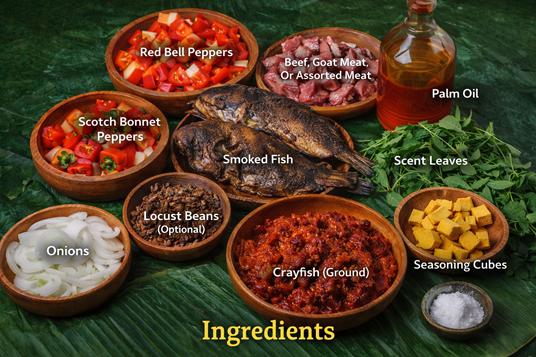
🧄 Ingredients Needed
Below are the core ingredients required to prepare authentic Benin Pepper Rice Stew, with brief explanations for best results:
- Fresh Red Bell Peppers – Provide body, colour, and mild sweetness
- Scotch Bonnet Peppers (Ata Rodo) – Responsible for the signature heat
- Onions – Add depth and balance to the pepper blend
- Palm Oil – The heart of Benin Pepper Rice Stew, giving richness and colour
- Beef, Goat Meat, or Assorted Meat – Traditional protein base
- Crayfish (Ground) – Adds umami and traditional aroma
- Smoked Fish or Dry Fish – Optional but highly recommended
- Seasoning Cubes – Enhances savoury depth
- Salt – Adjusted carefully to taste
- Locust Beans (Optional) – Adds fermented complexity
- Uziza Leaves or Scent Leaves (Optional) – For herbal finish
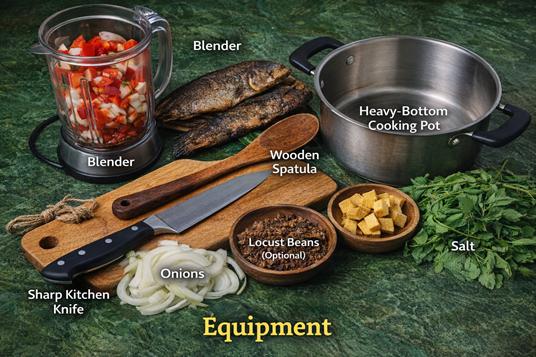
Equipment Needed🍳
- Heavy-bottom cooking pot
- Blender or food processor
- Wooden spatula
- Sharp kitchen knife
- Cutting board
🔥 Step-By-Step Guide On How To Make Benin Pepper Rice Stew
Step 1: Prepare The Meat
- Wash the meat thoroughly
- Season with salt, onions, and seasoning cubes
- Cook until tender, reserving the stock
Step 2: Blend The Peppers
- Blend red bell peppers, scotch bonnet, and onions
- Keep the texture slightly coarse for authenticity
Step 3: Heat The Palm Oil
- Heat palm oil gently in a pot
- Do not bleach; maintain its deep red colour
Step 4: Cook The Pepper Base
- Add blended pepper into the oil
- Stir continuously to prevent burning
- Cook until the oil rises and the moisture evaporates
Step 5: Build The Stew
- Add cooked meat and stock gradually
- Add crayfish, locust beans, and seasoning
- Simmer until thick and aromatic
Step 6: Finish And Balance
- Taste and adjust salt
- Add smoked fish or herbs if using
- Simmer gently for final flavour infusion
Your Benin Pepper Rice Stew should be thick, glossy, and intensely fragrant.


🎯 Tips For A Perfect Result
- Always cook peppers thoroughly to remove the raw taste
- Use moderate heat to avoid burning palm oil
- Allow oil to float naturally—this signals doneness
- Avoid excess water; this stew should be thick
- Let the stew rest for 10 minutes before serving
🍽️ Serving Suggestions
Benin Pepper Rice Stew pairs perfectly with:
- Plain white rice
- Coconut rice
- Boiled yam
- Fried plantain
- Steamed vegetables
🔄 Variations
- Seafood Version – Use smoked fish and prawns
- Vegetarian Option – Replace meat with mushrooms and tofu
- Extra-Spicy Style – Increase scotch bonnet quantity
- Oil-Light Version – Reduce palm oil slightly (less traditional)
Nutritional Information (Approximate per Serving)🥗
| Nutrient | Amount per Serving |
|---|---|
| Calories | 450 kcal |
| Protein | 15 g |
| Carbohydrates | 60 g |
| Fat | 15 g |
| Fiber | 5 g |
Source: Eat This Much – Pepper Sauce Rice Bowl
🌿 Health Benefits And Advice
- Peppers support metabolism and circulation
- Palm oil provides vitamin A and antioxidants
- Protein supports muscle repair and satiety
- Best enjoyed in moderation due to oil content
- Pair with vegetables for balance
❓ Frequently Asked Questions
Q1. Can I use tomato paste in Benin Pepper Rice Stew?
👉 No. Authentic Benin Pepper Rice Stew does not use tomatoes.
Q2. Is Benin Pepper Rice Stew very spicy?
👉 It is spicy but adjustable based on the pepper quantity.
Q3. Can I store this stew?
👉 Yes. It keeps well refrigerated for up to 4 days.
Q4. What makes it different from regular stew?
👉 The absence of tomatoes and the use of palm oil and pepper.
🧠 Final Thought
Benin Pepper Rice Stew is more than a recipe—it is a bold expression of Edo culinary heritage. With its deep pepper flavour, rich palm oil base, and comforting warmth, this stew stands proudly among Nigeria’s most iconic traditional dishes.
Once you master how to make Edo pepper stew for rice, it becomes a reliable, soul-satisfying meal that never disappoints. Whether for family dinners or special occasions, this powerful Nigerian classic deserves a place in your kitchen.
- 30+ Popular Ways to Cook Spaghetti Around the World🌍
- How To Make Instant Pot Spaghetti – Delicious One-Pot Comfort Meal🍝🔥
- How To Make Leftover Stew Spaghetti: The Delicious Quick-Fix Recipe🍝
- How To Make Garlic Butter Spaghetti: Irresistible Comfort Pasta Recipe🧈
- How To Make One-Pot Spaghetti: The Delicious Spaghetti Recipe🍯🍝

Did you make this recipe? Please do leave a comment and rating on the blog. Tag us on Pinterest @9jakitchen and Instagram @real9jakitchen and follow.