

Discover powerful corn health benefits, from antioxidants to digestion support, weight management, heart health, and energy. Learn about corn nutrition, corn uses, how to cook corn, the benefits of corn, and 5 delicious corn-based recipes, including Ukwa aho.
Introduction🌽: Corn, Nature’s Golden Gift
Corn has been nourishing the world for over 9,000 years, yet many people still underestimate the incredible corn health benefits it offers. From rich antioxidants to digestive fiber, energy-boosting carbohydrates, eye-protecting carotenoids, and countless culinary applications, corn remains one of the world’s most versatile and beloved foods.
In this comprehensive guide, you will learn about corn nutrition, corn uses, how to cook corn, the benefits of corn, scientific studies supporting corn’s role in nutrition, and five delicious recipes—including a creative Nigerian-inspired Ukwa Aho Corn Fusion.
Table of Contents
🌽What Is Corn? A Brief Overview
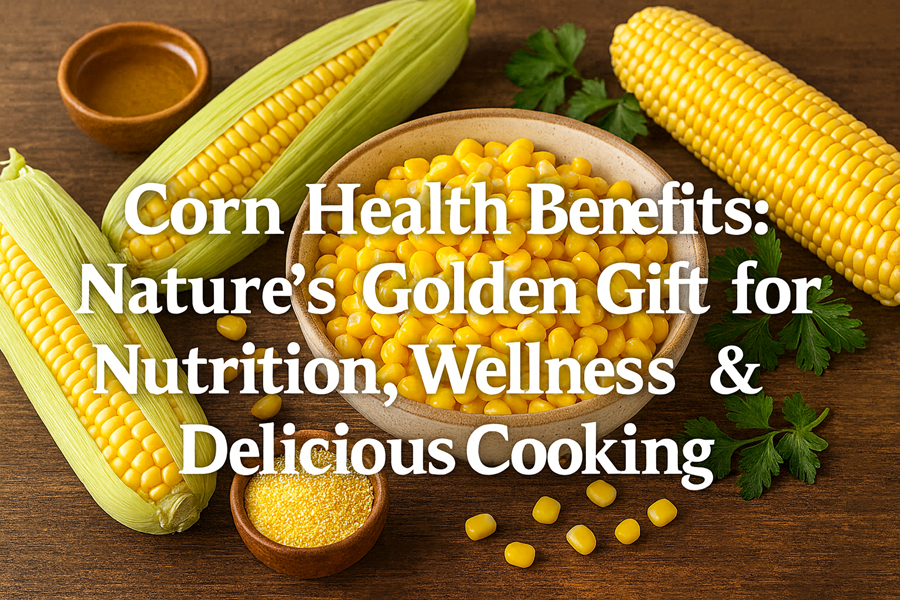
Corn (maize) is a cereal grain first domesticated in Mesoamerica over 9,000 years ago. Today, it is one of the world’s most important food crops, feeding humans and animals while serving as a base for thousands of culinary and industrial products.
Corn may be classified as a grain, vegetable, or fruit, depending on how it is harvested and used. In culinary and nutritional contexts, corn is commonly considered a vegetable when harvested fresh.
🌈Varieties & Classifications of Corn
- 🌽Sweet Corn: Tender, juicy, and eaten fresh—boiled, roasted, or grilled.
- 🌽 Field Corn/Dent Corn: Used for animal feed, cornmeal, cornstarch, tortillas, ethanol, etc.
- 🍿 Popcorn: variety with a hard hull and soft starchy center that explodes when heated.
- 🌾 Flint Corn: Used for grits, polenta, and traditional dishes.
- 🌈 Colored Corn (Purple, Blue, Red): Rich in anthocyanins and powerful antioxidants.
🧪Corn Nutrition: Complete Nutrient Profile🌽
Corn nutrition varies slightly depending on variety and form (fresh, dried, cooked). The following values are based on 1 cup cooked sweet corn (145 g):
| Nutrient | Amount |
|---|---|
| Calories | 125 kcal |
| Total Fat | 2.0 g |
| Carbohydrates | 27 g |
| Fiber | 3 g |
| Protein | 5 g |
| Sugars | 9 g |
| Vitamin C | 11 mg |
| Vitamin A | 1 µg |
| Potassium | 275 mg |
More nutrition breakdown: VeryWellFit↗
Corn nutrition is central to understanding why corn health benefits are so powerful.
💛Top 12 Corn Health Benefits (with Scientific Source Links)
Below are the most important corn health benefits, fully referenced.
1️⃣ Supports Digestive Health (Fiber) — Research-Backed
One of the most well-documented corn health benefits is its positive impact on digestion. Research↗ shows that corn contains insoluble fiber, which adds bulk to stool, prevents constipation, and feeds beneficial gut bacteria—supporting a healthier microbiome linked to immunity and metabolic balance. Studies also suggest that high-fiber diets reduce gastrointestinal disorders and improve overall bowel function.
2️⃣ Promotes Heart Health — Studies on Cholesterol & Blood Pressure
Several studies↗ highlight that corn’s potassium, magnesium, and fiber help maintain healthy blood pressure and lower LDL cholesterol. Research also shows that phytosterols in corn oil can block cholesterol absorption, improving heart function over time. These findings make cardiovascular support one of the most clinically supported corn health benefits.
3️⃣ Supports Eye Health (Lutein & Zeaxanthin) — Strong Scientific Evidence
Research↗ consistently shows that lutein and zeaxanthin—abundant in yellow corn—accumulate in the retina and protect against age-related macular degeneration. Studies indicate that diets rich in these carotenoids reduce oxidative stress in the eyes, slow cataract formation, and improve overall visual performance.
4️⃣Boosts Energy Levels — Research-Supported Carbohydrate Benefits
Corn is high in complex carbohydrates that provide long-lasting energy. Scientific research↗ shows that these carbs break down slowly, helping stabilize blood sugar and support mental focus. Additionally, corn contains B vitamins (especially B1 and B3), which research recognizes as essential for energy metabolism, nerve function, and stamina.
5️⃣Provides Powerful Antioxidant Protection — Studies on Anthocyanins
One of the most impressive corn health benefits comes from its antioxidant profile. Research↗ confirms that colored corn (purple, blue, red) contains anthocyanins—potent antioxidants linked to reduced inflammation, lower oxidative stress, and improved cardiovascular markers. These compounds are widely studied for their anti-cancer and anti-ageing properties.
6️⃣Supports Weight Management — Evidence on Satiety & Fiber
Studies↗ show that fiber-rich foods increase fullness, reduce overeating, and help regulate hunger hormones. Corn’s combination of water, fiber, and moderate calories makes it ideal for healthy weight management. Research also confirms that whole-grain options like popcorn support lower BMI and improved metabolic health when consumed in moderation.
7️⃣Helps Improve Cholesterol Levels — Clinical Evidence
Corn oil is backed by strong research↗ showing that its phytosterols help reduce LDL cholesterol by inhibiting absorption in the intestines. Studies suggest that replacing saturated fats with corn oil improves lipid profiles and supports long-term heart health. This is one of the most scientifically proven corn health benefits.
8️⃣Naturally Gluten-Free — Supported by Medical Research
Corn is naturally gluten-free, making it safe for people with celiac disease or gluten sensitivity. Research↗ from celiac foundations confirms that corn does not trigger autoimmune reactions associated with wheat, barley, or rye. Corn-based foods—cornmeal, tortillas, pap, polenta—provide nutritious alternatives for gluten-free diets.
9️⃣Supports Brain & Nerve Function — B-Vitamin Research
Corn contains essential B vitamins that play a critical role in brain and nervous system health. Research↗ highlights the importance of thiamine (B1) for cognitive performance, memory function, and nerve signalling. Niacin (B3) supports mental clarity and energy metabolism, while B6 supports neurotransmitter production—making this a core corn health benefit for neurological wellness.
🔟Helps Stabilize Blood Sugar — Whole Grain Studies
Research↗ shows that whole corn has a lower glycemic effect compared to refined corn syrup or processed corn snacks. Its fiber slows digestion, helping stabilize blood sugar levels. Studies note that whole-grain consumption—including popcorn—is associated with reduced risk of type 2 diabetes and improved insulin sensitivity.
1️⃣1️⃣Strengthens Bones — Mineral Research
Corn contributes to stronger bones through its supply of magnesium, phosphorus, and trace minerals. Studies↗ confirm that magnesium is essential for bone density, muscle contraction, and enzyme function. When corn is eaten with leafy greens or legumes, absorption of these minerals improves, reinforcing skeletal health and reducing age-related bone loss.
1️⃣2️⃣Supports Healthy Ageing — Antioxidant & Anti-Inflammatory Research
Multiple studies↗ show that antioxidants help slow cellular ageing by neutralizing free radicals. Corn contains carotenoids, vitamin C, phenolic compounds, and anthocyanins (in colored varieties). Research indicates these compounds help lower inflammation, enhance immune function, protect tissues, and support healthier ageing. This makes long-term wellness one of the most valuable corn health benefits.
🍽️Corn Uses: Culinary, Cultural, Industrial
Corn uses include:
- Fresh eating (boiled, steamed, roasted)
- Dishes (soups, salads, salsas, porridge)
- Baking (cornbread, muffins)
- Whole grains (popcorn)
- Polenta, grits, pap, ogi (fermented)
- Industrial applications: ethanol, starch, sweeteners
- Nigerian cuisine (aji, okpa blends)
- Latin cuisine (tortillas, arepas, tamales)
Corn uses underline the global value of this ingredient beyond simple fresh consumption.
🍳How to Cook Corn: Tips, Methods & Best Practices
🔥 1. Boiling
Boiling is one of the simplest and most reliable methods for preparing fresh sweet corn. Simply place husked corn cobs into a pot of boiling water and cook for 5–7 minutes until bright yellow and tender. This method preserves corn’s natural sweetness and moisture, making it perfect for buttered corn, salads, and side dishes.
🔥 2. Steaming
Steaming corn helps retain more nutrients compared to boiling because the kernels do not sit directly in water. Place fresh corn over simmering water in a steamer basket, cover tightly, and steam for 7–10 minutes. This method enhances corn nutrition and keeps the kernels juicy, crisp, and naturally sweet without needing additional fats.
🔥 3. Grilling
Grilling is ideal for smoky, charred, flavourful corn. Brush the cobs lightly with oil or melted butter, then place them on a hot grill for 10–12 minutes, turning occasionally. The heat caramelizes the natural sugars in the corn, creating deep flavour layers. Grilled corn is perfect for BBQs, salsas, salads, and Mexican-style toppings.
🔥 4. Roasting
Roasting corn in the oven intensifies its natural sweetness and gives the kernels a slightly crisp texture. Preheat your oven to 200°C (400°F), season the corn or leave it plain, and roast for 25–35 minutes. This method is excellent for meal prep, mixed vegetable trays, or making roasted corn for soups and corn chowders.
🔥 5. Microwave
The microwave is the fastest method for cooking corn—perfect when you need a quick meal or snack. Place the corn (preferably in its husk) in the microwave and cook on high for 4–6 minutes. The trapped steam inside the husk cooks the kernels evenly, producing sweet, tender corn with minimal effort and no cleanup.
🔥 6. Sautéed Kernels
Sautéing corn kernels is an excellent way to enhance flavour when using fresh, canned, or leftover corn. Remove the kernels from the cob and cook them in a skillet with oil, butter, herbs, garlic, onions, or vegetables for 5–8 minutes. This method adds flavour depth and is ideal for stir-fries, rice dishes, tacos, salads, and soups.
🌽Why These Cooking Methods Matter
Each method showcases a different aspect of corn health benefits, from nutrient retention (steaming) to flavour enhancement (grilling). Expanding your techniques ensures versatility in your kitchen and reinforces key SEO terms such as how to cook corn, corn nutrition, and the benefits of corn.
🥗Five Delicious Corn-Based Recipes🍲
1️⃣🌽 Corn & Vegetable Stir-Fry
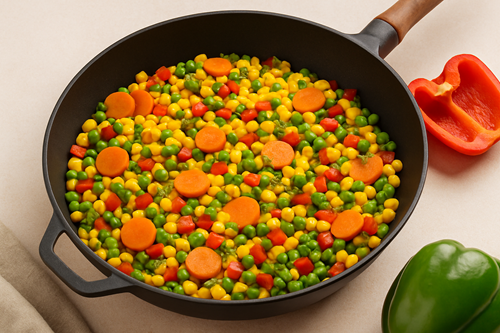
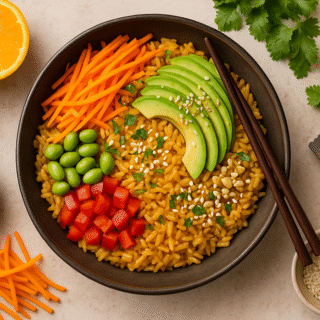
This colourful stir-fry features sweet corn and vibrant vegetables like bell peppers, onions, and carrots, sautéed in olive oil with garlic and ginger. It’s a nutrient-rich meal that pairs well with rice, quinoa, or noodles for a balanced dinner.
2️⃣ 🍵 Creamy Sweet Corn Soup
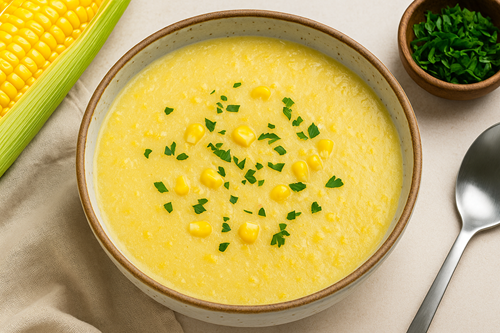
Enjoy a warm bowl of creamy sweet corn soup made with blended corn, onions, garlic, broth, and coconut milk. This soup highlights corn’s natural sweetness and packs essential nutrients and fiber, perfect for a light meal on cool evenings.
3️⃣🥗Fresh Corn Salad with Lime & Herbs
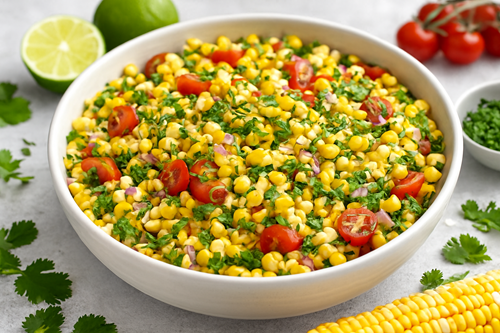
This refreshing salad features crisp corn, tomatoes, cucumber, red onion, lime juice, and fresh herbs like cilantro or parsley. It’s hydrating and high in fiber, supporting heart health and digestion. Serve it chilled as a side dish or a light summer meal.
4️⃣🍿Homemade Air-Popped Popcorn
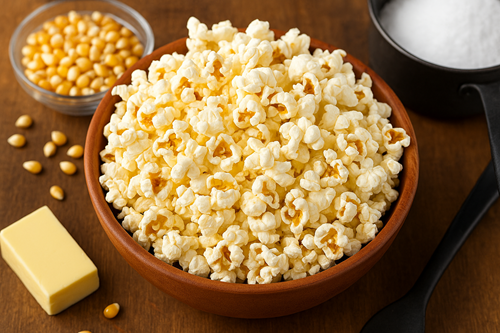
Popcorn is a healthy snack made by air-popping corn kernels without oil. It’s high in fiber, antioxidants, and energy, making it a guilt-free option for weight watchers. For extra flavour, season it lightly with salt, paprika, or nutritional yeast.
5️⃣ 🌽🌰 Ukwa Ahọ (African Breadfruit + Corn + Vegetable)
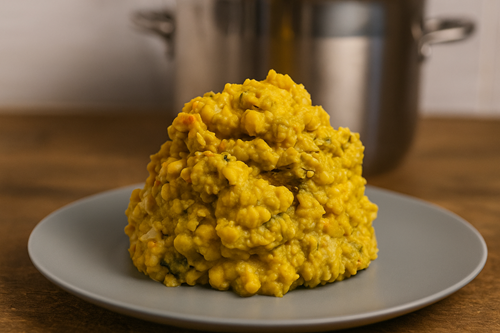
This Nigerian-inspired dish combines soft-boiled ukwa (African breadfruit) with sweet corn and leafy vegetables like bitterleaf or ugu. Cooked with onions, spices, and palm oil, it offers a hearty, nutrient-rich meal that highlights traditional flavours and promotes wellness.
⚠️Risks, Allergies & Considerations
- Corn allergy (rare)
- GMO concerns (preference-based)
- High fructose corn syrup (avoid)
- Portion control is needed for diabetic individuals
- Sodium levels can rise depending on preparation
Note: The information provided in this blog post is for educational purposes only and is not intended as medical advice. Always consult with a healthcare professional before making significant changes to your diet.
❓Frequently Asked Questions
1️⃣ Is corn a vegetable or a grain?
Corn can actually fall into three categories, which is why there is often confusion. When corn is harvested fresh (sweet corn), it is classified as a starchy vegetable, similar to peas or potatoes. When corn is fully matured and dried, it becomes a grain, specifically a whole grain when eaten with its germ and bran layers intact. Botanically, corn is also considered a fruit, because it develops from the flower of the corn plant and contains seeds (kernels). So, depending on when it is harvested and how it is used, corn can be a vegetable, grain, and fruit all at the same time. This versatility explains why corn nutrition varies slightly depending on the form consumed.
2️⃣ Can diabetics eat corn?
Yes — but with care and proper pairing. Studies show that whole-kernel corn has a moderate glycemic index, meaning it can raise blood sugar, but not as quickly as refined carbohydrates or sugary corn products like corn syrup. Diabetics can safely enjoy corn as part of a balanced diet when it is paired with lean protein (chicken, fish, beans), healthy fats (avocado, nuts), and high-fiber vegetables, which help slow glucose absorption. Whole forms of corn—such as boiled kernels, roasted corn, or popcorn—are far better options than processed corn snacks. In essence, corn nutrition supports sustained energy without extreme blood sugar spikes when eaten mindfully.
3️⃣ Is popcorn healthy?
Yes — air-popped popcorn is one of the healthiest snacks available. As a whole grain, popcorn is naturally high in fiber, low in calories, and rich in antioxidants such as polyphenols. Research has shown that popcorn can support digestive health, weight control, and even reduce the risk of chronic disease when consumed without excess butter, salt, or sugar. Three cups of plain popcorn provide roughly 90–100 calories and are very filling, making them a great alternative to processed snacks. Popcorn is one of the most underrated corn health benefits because it offers whole-grain nutrition in a tasty, easy-to-enjoy form.
4️⃣Does corn cause weight gain?
Corn itself does not cause weight gain when eaten in whole forms and proper portions. Corn is moderate in calories, rich in fiber, and filling—three factors that actually support healthy weight management. What typically causes weight gain are processed corn products, such as corn chips, deep-fried snacks, caramel corn, or foods high in added oils and sugar. Sweet corn, boiled or grilled, can be part of any balanced diet and helps prevent overeating by increasing satiety. Research also shows that whole grains (including corn and popcorn) are linked to lower BMI and improved metabolic health. So corn may help maintain a healthy weight when prepared without excessive fats or sugar.
5️⃣ How many calories are in 1 ear of corn?
A medium ear of corn (about 6.75–7.5 inches long) contains approximately 88–100 calories, depending on the variety and moisture content. This makes corn a low-to-moderate-calorie food that delivers valuable nutrients such as fiber, potassium, antioxidants, and B vitamins. It’s a highly efficient energy source, offering satisfying volume without excessive calories. When served without heavy butter, mayonnaise, or salty seasoning, corn remains a wholesome, nutrient-rich option suitable for nearly every diet, including weight-conscious or diabetic-friendly meal plans. Corn nutrition makes it a filling, flavorful, and calorie-smart ingredient for everyday cooking.
🟡Final Thoughts
Corn remains one of nature’s most beautiful and nutritious gifts. From rich corn health benefits grounded in science, to versatile culinary applications and global cultural significance, corn is far more than a staple—it is a wellness-promoting powerhouse.
- 30+ Popular Ways to Cook Spaghetti Around the World🌍
- How To Make Instant Pot Spaghetti – Delicious One-Pot Comfort Meal🍝🔥
- How To Make Leftover Stew Spaghetti: The Delicious Quick-Fix Recipe🍝
- How To Make Garlic Butter Spaghetti: Irresistible Comfort Pasta Recipe🧈
- How To Make One-Pot Spaghetti: The Delicious Spaghetti Recipe🍯🍝

Did you like this blog post? Please do leave a comment and rating on the blog. Follow us on Pinterest @9jakitchen and Instagram @real9jakitchen