

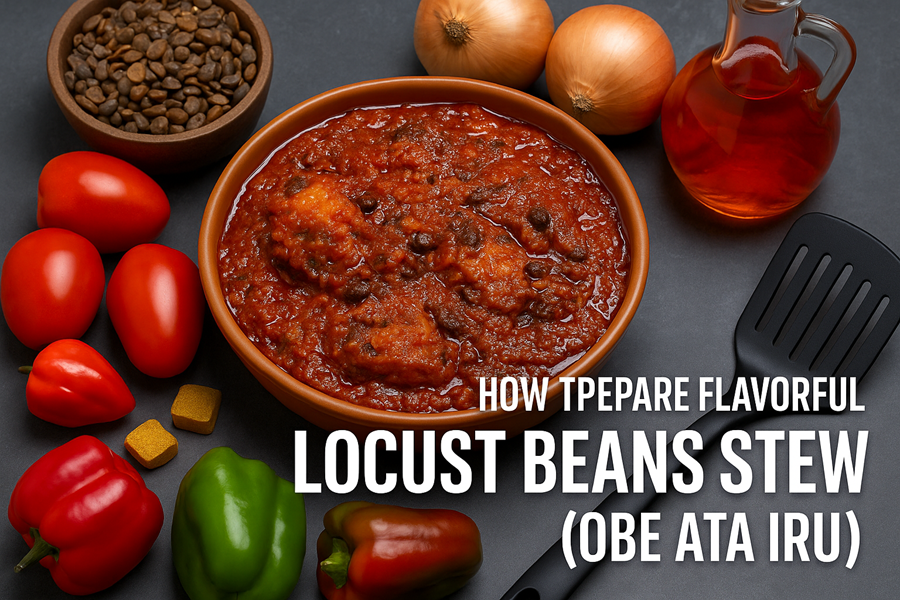

Learn how to prepare rich and flavorful Locust Beans Stew (Obe Ata Iru) with this easy guide. A delicious, traditional Nigerian stew packed with nutrients and bold aroma.
✨Introducing Locust Beans Stew (Obe Ata Iru)
Locust Beans Stew, popularly known as Obe Ata Iru, is one of the most flavourful, aromatic, and culturally significant dishes in Nigerian cuisine, especially in Yoruba households. Made with fermented locust beans (iru), fresh peppers, tomatoes, onions, and your choice of protein, this stew is famous for its deep, savoury taste and incredible health benefits.
If you’re looking to bring bold African flavours into your kitchen, Obe Ata Iru is a perfect dish to master. This guide walks you through its origin, cultural significance, ingredients, step-by-step preparation, nutritional benefits, variations, FAQs, and serving ideas.
Table of Contents
🌍The Cultural Significance of Obe Ata Iru
Obe Ata Iru is more than just a stew — it is a reflection of Yoruba tradition and a testament to their hospitality. For generations, locust beans (iru) have been valued for their medicinal and nutritional properties, giving this stew its distinctive earthy aroma and umami-rich flavour.
It is commonly enjoyed with:
🍚 Rice
🍠 Boiled yam
🥘 Amala, eba, semo, or fufu
🍌 Fried plantains
This hearty dish is a staple at family gatherings, traditional celebrations, and everyday meals.
🍽️Equipment Needed
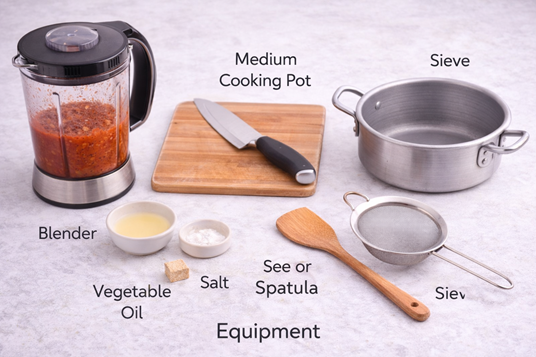
- Cooking pot
- Blender or food processor
- Wooden spoon or spatula
- Measuring spoons and cups
- Washing bowls
🧄🫑Ingredients for Obe Ata Iru
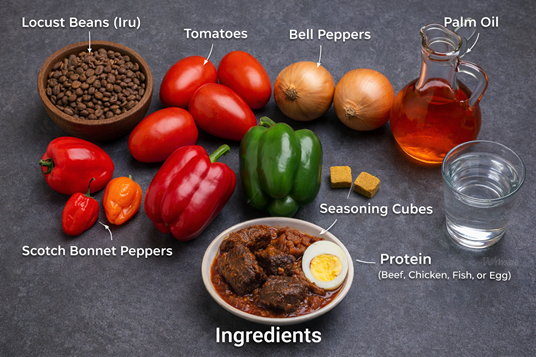
To prepare a rich, authentic Locust Beans Stew, you’ll need:
- 1 cup locust beans (iru)
- 4 medium ripe tomatoes
- 2–3 bell peppers (tatashe)
- 2 onions (1 blended, 1 chopped)
- 1–2 Scotch bonnet peppers (atarodo)
- 1 cup palm oil (or vegetable oil)
- Salt to taste
- Seasoning cubes
- Protein: beef, chicken, fish, or boiled egg
- Water (as needed)
👩🏾🍳Step-by-Step Preparation Guide
🥕Step 1: Prepare the Ingredients
- Wash and chop tomatoes, bell peppers, and one onion.
- Blend them together into a smooth mixture.
- Add Scotch bonnet pepper if you want it extra spicy.
🍅Step 2: Cook the Stew Base
- Heat palm oil in a pot over medium heat (do not bleach).
- Add the chopped onions and sauté until translucent.
- Pour in the blended mixture and cook for 10–15 minutes until thickened and oil begins to surface.
🍛Step 3: Add the Locust Beans (Iru)
- Add the iru into the pot.
- Stir well and let it cook for 5 minutes to release its unique aroma and flavour.
🥩Step 4: Season & Add Protein
- Add salt and seasoning cubes.
- Add your cooked chicken, beef, fish, or boiled eggs.
- Add water if needed and simmer for 10–15 minutes.
✨Step 5: Final Touch
- Taste and adjust seasoning.
- Allow everything to simmer until flavours combine beautifully.
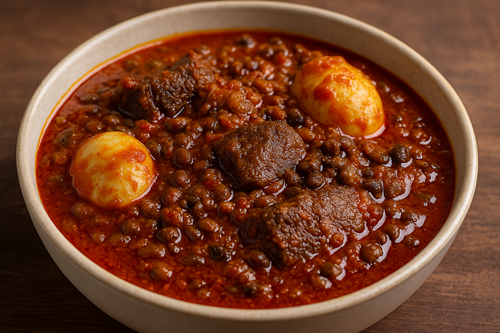
✅Your Obe Ata Iru is ready!🎉
💡 Tips for the Best Result
- Wash the locust beans lightly, not excessively
Rinse briefly to remove surface salt or debris, but avoid over-washing so you don’t lose the rich fermented flavour that gives this stew its signature aroma. - Allow the pepper base to cook thoroughly
Always let the blended tomatoes and peppers fry until the oil rises. This removes raw taste and deepens the flavour of the stew. - Do not bleach the palm oil
Heat the oil gently. Overheating will affect both the colour and nutritional value of the stew. - Add locust beans after the stew base thickens
This helps the flavour infuse properly without overpowering the dish. - Use stock for a richer taste
Instead of plain water, add meat or fish stock to intensify the flavour naturally. - Balance the aroma
If the locust bean smell feels strong, add a little extra onion or a pinch of crayfish to balance it. - Simmer on low heat
Slow cooking allows all ingredients to blend perfectly and prevents burning. - Taste before final seasoning
Locust beans and seasoning cubes already contain salt, so always taste before adding more. - Let the stew rest before serving
Allowing it to sit for a few minutes after cooking enhances flavour absorption.

🍽️Serving Suggestions
Serve your Locust Beans Stew with:
- Steamed white rice
- Boiled yam or plantains
- Amala, semo, pounded yam, or fufu
- Coconut rice or jollof rice
- Boiled sweet potatoes
The rich umami from the iru elevates every dish it accompanies.
🥣Variations
Here are delicious twists you can try:
1. Fish locust bean stew
Use fresh or smoked fish for a lighter, aromatic finish.
2. Chicken locust bean stew
Perfect for those who prefer a leaner protein.
3. Extra-Spicy Marketplace Style
Add more Scotch bonnet peppers and reduce the tomatoes for a fiery version.
4. Vegetable Twist
Add shredded spinach or ugwu at the final stage.
5. Smoky Buka Style
Use palm oil + smoked fish + dried crayfish for a smoky, buka-inspired flavour.
📊Nutritional Information (Approximate per Serving)
- Calories: 230–300 kcal
- Protein: 8–15g
- Carbohydrates: 12–20g
- Fat: 15–25g
- Fiber: 4–6g
- Sodium: varies by seasoning
Nutrient levels depend on the type of protein and oil used.
💚Health Benefits of Locust Beans Stew (Obe Ata Iru)
Locust beans (iru) offer incredible nutritional and medicinal advantages:
- Rich in nutrients (protein, fiber, vitamins, minerals)
- Boosts digestion thanks to natural probiotics
- High in antioxidants, reducing oxidative stress
- Anti-inflammatory properties
- Supports heart health due to potassium-rich peppers
- Improves bone strength (contains calcium & magnesium)
- Aids weight management (high fiber supports fullness)
- Boosts immunity thanks to nutrient-rich ingredients
- Promotes gut health
- Used traditionally to treat digestive & respiratory issues
Note: The information provided in this blog post is for educational purposes only and is not intended as medical advice. Always consult with a healthcare professional before making significant changes to your diet.
❓Frequently Asked Questions (FAQs)
1. What does locust bean stew taste like?
👉It has a deep, savoury, umami-rich flavour with a unique fermented aroma.
2. Can I use vegetable oil instead of palm oil?
👉Yes — it gives a lighter colour and taste, though palm oil is more traditional.
3. How long can I store locust bean stew?
👉It lasts 3–5 days refrigerated and up to 2 months frozen.
4. Can I make it less spicy?
👉Absolutely. Just reduce the Scotch bonnet pepper.
5. What protein works best?
👉Beef, chicken, goat meat, catfish, tilapia, and eggs all pair beautifully.
🌟Final Thoughts
Locust bean stew, the traditional Yoruba stew, is a wholesome, hearty, and deeply traditional stew that brings the flavours of Nigeria to life. Whether you’re recreating home memories or trying African cuisine for the first time, this locust bean stew guarantees a delicious and authentic experience.
- Amazing Salad Recipes: 120+ Fresh & Healthy Ideas to Try Today🥗
- 47 Delicious High-Protein Recipes for All-Day Energy and Strength💪🥑
- Ultimate Delicious Shawarma Recipes You’ll Crave Daily 🌯✨
- 180+ Garlic Recipes: The Irresistible Flavour-Packed Guide You’ll Love🧄🌟
- Salsa Recipes: Delicious, Flavorful Guide You’ll Absolutely Love🌟🍅🌶️

Did you make this recipe? Please do leave a comment and rating on the blog. Tag us on Pinterest @9jakitchen and Instagram @real9jakitchen and follow.