


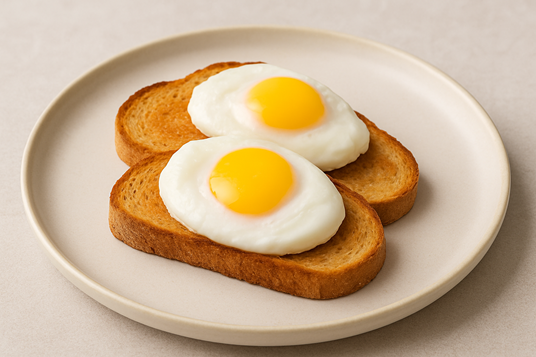
Learn how to make poached eggs using three easy, foolproof methods perfect for beginners and pros. Discover the best ingredients, equipment, step-by-step instructions, tips, variations, nutrition facts, FAQs, and expert advice for soft, silky poached eggs every time.
🥚✨ Introduction: How to Make Poached Eggs the Easy & Delicious Way
Making silky, restaurant-quality poached eggs at home is easier than most people think. In this complete guide on how to make poached eggs, you will learn three simple, reliable methods that guarantee perfect results—whether you’re a beginner or a seasoned cook.
Poached eggs are a nutritious, protein-rich addition to breakfast bowls, avocado toast, salads, grain bowls, and even soups. With the right approach, you can master how to make poached eggs in just a few minutes, using minimal ingredients and simple equipment you already have in your kitchen.
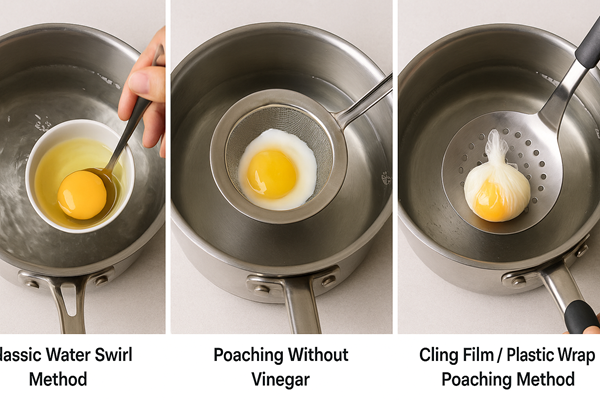
This guide explains how to make poached eggs using three popular methods, each illustrated with its own image, ensuring you get a foolproof, repeatable result every time.
Table of Contents
💛Why You’ll Love This Recipe
- It uses only two basic ingredients: eggs and water.
- You can choose from three easy methods depending on what equipment you have.
- Results are consistent: soft whites with a runny, golden yolk.
- It supports weight management and healthy eating goals.
- It elevates everyday meals—turning simple dishes into gourmet plates.
🥚Ingredients Needed for Poached Eggs
To master how to make poached eggs, you need only a few simple ingredients:
- Fresh Eggs: Fresh eggs produce the best structure because the whites are firmer and hold together better.
- Water: Clean, filtered water helps maintain clarity and temperature consistency.
- Salt (Optional): Enhances serving flavour; not required for poaching water.
- Vinegar (Optional, depending on method): Helps the white set faster—but some methods require no vinegar, making it perfect for those avoiding acidic flavours.
🍳Equipment Needed
- Medium or large saucepan
- Slotted spoon
- Small ramekin or cup
- Cooking thermometer (optional but helpful)
- Stove or induction cooker
- Timer
- Fine mesh sieve (optional but recommended)
These are all you need to confidently follow how to make poached eggs with guaranteed success.
🧑🍳Step-by-Step Guide: How to Make Poached Eggs (3 Foolproof Methods)
Below are three reliable techniques for how to make poached eggs. Choose the one that suits your preferred texture and equipment.
🥣Method 1: Classic Water Swirl Method (Traditional Poached Egg)
Step 1 — Heat the Water
- Fill a saucepan with water.
- Bring to a gentle simmer (around 82–90°C).
Step 2 — Crack the Egg
- Crack the egg into a small cup for easier handling.
Step 3 — Create a Gentle Whirlpool
- Use a spoon to swirl the water.
- The motion wraps the egg white around the yolk.
Step 4 — Slide the Egg into the Centre
- Gently pour the egg into the swirl.
Step 5 — Poach
- Cook for 3–4 minutes for a runny yolk.
- Cook 5 minutes for a medium yolk.
Step 6 — Remove and Drain
- Lift with a slotted spoon.
- Drain excess water on a napkin.
🍲Method 2: Poaching Without Vinegar (Sieve Method)
A perfect approach for those asking how to make poached eggs without vinegar.
Step 1 — Prepare the Water
- Heat water to a very gentle simmer.
Step 2 — Sieve the Egg
- Crack the egg into a fine mesh sieve.
- This removes thin watery whites that cause stringy bits.
Step 3 — Lower the Egg into the Water
- Gently slide the sieved egg into the simmering water.
Step 4 — Let It Poach Slowly
- Cook 3–4 minutes until whites set.
Step 5 — Lift and Serve
- Remove with a slotted spoon.
🍱Method 3: Cling Film/Plastic Wrap Poaching Method
This is the easiest “no-mess” method many beginners use when learning how to make poached eggs.
Step 1 — Prepare the Wrap
- Line a small bowl with food-safe cling film.
- Brush lightly with oil.
Step 2 — Add the Egg
- Crack the egg into the cling film.
- Add seasonings (optional).
Step 3 — Seal
- Twist to seal tightly, removing air.
Step 4 — Poach
- Submerge gently in simmering water for 3–4 minutes.
Step 5 — Remove
- Lift, unwrap carefully, and serve.
💡Tips for a Perfect Result
- Use fresh eggs; older eggs spread more.
- Keep water at a gentle simmer, not boiling.
- Always crack into a cup first for more control.
- For firmer yolks, increase cook time by 1–2 minutes.
- For multiple eggs, cook in batches.
🍽️Serving Suggestions
- Over avocado toast
- With sautéed vegetables
- On pasta (carbonara style)
- On salads or Buddha bowls
- Over rice bowls or ramen
Perfectly poached eggs upgrade any simple meal.
🌈Variations
- Herbed Poached Eggs: Add herbs before serving.
- Spicy Poached Eggs: Drizzle chilli oil or pepper flakes.
- Butter-Poached Eggs: Poach eggs in a shallow mix of butter + water.
- Yoghurt-Poached Eggs: Inspired by Turkish “Çılbır”.
📊Nutritional Information (Per Serving — 1 Poached Egg)
🔗 Source: USDA FoodData Central – Egg↗
| Nutrient | Amount | % Daily Value (DV) |
|---|---|---|
| Calories | 72 kcal | 3% |
| Protein | 6.3 g | 13% |
| Total Fat | 4.8 g | 6% |
| Saturated Fat | 1.6 g | 8% |
| Cholesterol | 186 mg | 62% |
| Sodium | 62 mg | 3% |
| Carbohydrates | 0.4 g | 0% |
| Vitamin A | 270 IU | 5% |
| Vitamin B12 | 0.5 mcg | 21% |
| Folate | 24 mcg | 6% |
| Selenium | 15.8 mcg | 29% |
🌿Health Benefits & Advice
Poached eggs offer exceptional nutritional value. They are rich in high-quality protein, vitamins, minerals, and healthy fats. Because they are cooked without oil, they fit well into weight-loss diets, heart-healthy programs, and low-calorie meal plans.
Key benefits include:
- Muscle repair and growth
- Improved brain function
- Stable energy levels
- Excellent satiety
- Support for healthy vision
- High bioavailability of nutrients
Note: The information provided in this blog post is for educational purposes only and is not intended as medical advice. Always consult with a healthcare professional before making significant changes to your diet.
❓Frequently Asked Questions
1. Can I poach multiple eggs at once?
👉Yes, but add them one at a time to avoid sticking.
2. Why do my poached eggs spread?
👉The egg may not be fresh, or the water may be too hot.
3. Do I need vinegar?
👉Not always—this guide shows how to make poached eggs with or without vinegar.
4. Can I store poached eggs?
👉Yes. Shock them in cold water and refrigerate for up to 2 days.
5. How long do I reheat poached eggs?
👉30–40 seconds in hot (not boiling) water.
🏁Final Thoughts
Learning how to make poached eggs is one of the most rewarding cooking skills. With these three easy and reliable methods, you can enjoy silky, delicious poached eggs every day—perfect for breakfast, brunch, or gourmet dinners. This guide ensures you achieve flawless results whether you’re a home cook or culinary enthusiast.
- How To Make Cheesy Baked Zucchini Casserole: Irresistible Comfort Recipe🧀🥒🔥
- 30+ Popular Ways to Cook Spaghetti Around the World🌍
- How To Make Instant Pot Spaghetti – Delicious One-Pot Comfort Meal🍝🔥
- How To Make Leftover Stew Spaghetti: The Delicious Quick-Fix Recipe🍝
- How To Make Garlic Butter Spaghetti: Irresistible Comfort Pasta Recipe🧈

Did you make this recipe? Please do leave a comment and rating on the blog. Tag us on Pinterest @9jakitchen and Instagram @real9jakitchen and follow.