



Learn How To Make Pito with this ultimate, authentic and refreshing African millet beer guide. Step-by-step brewing instructions, ingredients, nutrition facts, health benefits, tips, and expert techniques for perfect homemade pito every time.
🍺 Introduction
If you have ever visited Northern Nigeria or Ghana, you’ve likely encountered Pito — a traditional fermented beverage made from millet or sorghum. Today, you will learn how to make Pito using authentic, time-tested techniques that preserve its rich cultural heritage.
Understanding how to make Pito allows you to appreciate not just the drink itself, but the centuries-old brewing tradition behind it. This mildly alcoholic African millet beer is earthy, slightly sour, and deeply refreshing.
In this detailed guide on how to make Pito, you’ll discover:
- The traditional homemade Pito brewing process
- The right grains to use
- Fermentation techniques
- Nutritional insights
- Health considerations
- Variations and expert brewing tips
If you’re searching for an authentic Pito drink recipe, this comprehensive tutorial will show you exactly how to make Pito successfully at home.
Table of Contents
❤️ Why You’ll Love This Recipe
Learning how to make Pito at home comes with many advantages:
- 🍺 Authentic taste of traditional Nigerian Pito
- 🌾 Made from wholesome millet or sorghum
- 💰 Cost-effective compared to commercial alcohol
- 🧪 Natural fermentation process
- 🏡 Perfect for cultural events and gatherings
- 🧘 Free from artificial preservatives
- 🌍 Connects you to African brewing heritage
Once you understand the making of Pito, you can adjust fermentation levels to suit your taste preference.
🌾 Ingredients Needed
Here are the ingredients needed to make Pito:
- Millet or Sorghum (3–4 cups)
The primary grain used in traditional African millet beer. Sorghum gives a deeper colour; millet gives a lighter flavour. - Water (10–12 cups)
Clean, filtered water is essential for fermentation quality. - Starter Culture (Optional but Traditional)
Some brewers use leftover fermented pito as a starter to speed up fermentation. - Sugar (Optional)
Occasionally added to enhance fermentation strength.
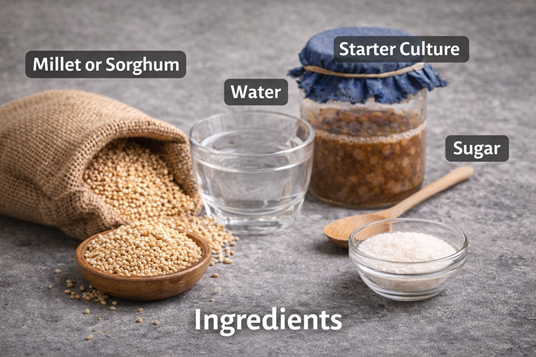
These are the core components required in the homemade Pito brewing process.
🥣 Equipment Needed
To ensure safe fermentation, here are the equipment you need:
- Large cooking pot
- Fermentation container (clay pot or food-grade plastic bucket)
- Strainer or muslin cloth
- Wooden spoon
- Clean bowls
- Airtight storage bottles
- Heat source (stove or firewood)
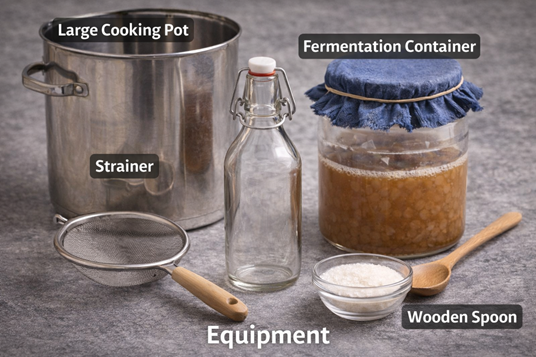
Traditional Nigerian Pito is often brewed in clay pots, which enhance fermentation naturally.
👩🏾🍳 Step-By-Step Guide: How To Make Pito
🥄 Step 1: Clean And Soak The Grain
- Rinse millet or sorghum thoroughly.
- Remove stones or debris.
- Soak in water for 24–48 hours.
- Drain and rinse again.
Soaking activates natural enzymes essential when learning.
🌱 Step 2: Allow Germination (Malting)
- Spread soaked grains on a tray.
- Cover lightly with a cloth.
- Allow to sprout for 2–3 days.
- Dry under the sun after sprouting.
This malting process converts starch to fermentable sugars — a critical stage in the Pito drink recipe.
🔥 Step 3: Dry And Grind
- Sun-dry the sprouted grains.
- Grind into coarse powder.
This malt flour forms the base for traditional Nigerian Pito.
🍲 Step 4: Boil The Mash
- Add ground malt to boiling water.
- Stir continuously to avoid lumps.
- Simmer for 1–2 hours.
Boiling extracts fermentable sugars needed in the homemade Pito brewing process.
🌡 Step 5: Cool And Ferment
- Allow mixture to cool completely.
- Transfer into the fermentation container.
- Leave covered for 24–72 hours.
This is where natural yeast transforms sugars into alcohol. Proper fermentation is key.
🧴 Step 6: Strain And Serve
- Strain using a muslin cloth.
- Discard residue.
- Bottle and refrigerate.
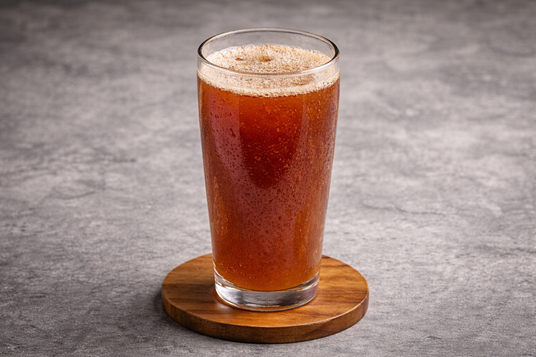
Now you’ve successfully completed making Pito!

🧠 Tips For A Perfect Result
To perfect your understanding, follow these expert tips:
- 🌡 Maintain a clean fermentation environment
- 🕒 Control fermentation time for alcohol strength
- 💧 Use filtered water only
- 🌾 Do not skip the malting stage
- ❄ Refrigerate immediately after straining
- 🧪 Avoid metal containers for long fermentation
- 🧼 Sterilise equipment thoroughly
These precautions ensure safe and authentic African millet beer production.
🍽️ Serving Suggestion
Traditional Nigerian Pito is best served:
- 🍺 Slightly chilled
- 🍲 With grilled meat (suya)
- 🥜 With roasted groundnuts
- 🌶 During festivals and celebrations
🔄 Variations
While learning, try these variations:
- 🍯 Sweetened Pito
- 🌾 Sorghum-only version
- 🌿 Spiced Pito with ginger
- 🧊 Light fermentation for lower alcohol
Each variation slightly changes the flavour intensity.
📊 Nutritional Information (Approximate Per 250ml Serving)
| Nutrient | Amount | % Daily Value |
|---|---|---|
| Calories | 150 kcal | 7% |
| Carbohydrates | 30g | 11% |
| Protein | 3g | 6% |
| Alcohol | 2–4% | — |
| Iron | 1.5mg | 8% |
| Magnesium | 40mg | 10% |
🔗 Source: USDA FoodData Central – Millet↗
Values are approximate and vary by fermentation level.
🌿 Health Benefits And Advice
When consumed moderately, traditional African millet beer offers:
- 🌾 Contains B-vitamins from fermentation
- 🩸 Provides iron and magnesium
- 🦠 Natural probiotics from fermentation
- ⚖ Lower alcohol content than many beers
⚠ Advice: Consume responsibly. Not suitable for children or pregnant women.
Note: The information provided in this blog post is for educational purposes only and is not intended as medical advice. Always consult with a healthcare professional before making significant changes to your diet.
❓ Frequently Asked Questions
Q1. Is Pito Alcoholic?
👉 Yes, Pito is mildly alcoholic, typically 2–4% depending on fermentation time.
Q2. How Long Does Pito Last?
👉 Fresh Pito lasts 2–3 days refrigerated before becoming too sour.
Q3. Can I Make Pito Without Malting?
👉 Malting is essential for authentic fermentation. Skipping it reduces alcohol formation.
Q4. What Grain Is Best?
👉 Sorghum gives a deeper colour, millet produces a lighter flavour.
Q5. Is Pito Healthy?
👉 In moderation, it provides nutrients from grains and fermentation.
🎯 Final Thought
Now that you fully understand how to make Pito, you can confidently recreate this refreshing traditional Nigerian Pito at home. Mastering how to make Pito connects you to African brewing heritage while giving you control over taste, fermentation, and alcohol strength.
Whether you’re exploring African millet beer for cultural interest or personal enjoyment, this complete guide ensures success every time.
Cheers to authentic brewing! 🍺
- How to Make Mango Coconut Milk Drink: A Delicious Tropical Delight🥭🥥🥤
- Amazing Salad Recipes: 120+ Fresh & Healthy Ideas to Try Today🥗
- 47 Delicious High-Protein Recipes for All-Day Energy and Strength💪🥑
- Ultimate Delicious Shawarma Recipes You’ll Crave Daily 🌯✨
- 180+ Garlic Recipes: The Irresistible Flavour-Packed Guide You’ll Love🧄🌟

Did you make this recipe? Please do leave a comment and rating on the blog. Tag us on Pinterest @9jakitchen and Instagram @real9jakitchen and follow.