

Swiss Chard Sensation: Learn about swiss chard benefits, how to cook swiss chard, swiss chard nutrition, benefits of swiss chard, and swiss chard recipes. Energize your meals today!
🥬Introduction
Swiss Chard is a leafy green powerhouse that deserves a starring role in every kitchen 🌱. In this detailed guide, we’ll explore everything from the swiss chard benefits, nutrition, to how to cook swiss chard and its easy recipes. By the end, you’ll feel confident turning this humble green into a sensation on your plate and in your health.
Table of Contents
🥬What Is Swiss Chard?
Swiss Chard (also sometimes called chard, rainbow chard, or silverbeet) is a leafy green vegetable in the beet family. Unlike spinach, its stalks are thicker and more colourful — often white, red, yellow, or pink. But don’t let the striking stems distract you: the leaves are tender, slightly earthy, and highly nutritious. Over centuries, Swiss chard has been cultivated across Europe, the Mediterranean, and beyond. It belongs to the species Beta vulgaris↗ sub-variety cicla (or flavescens).
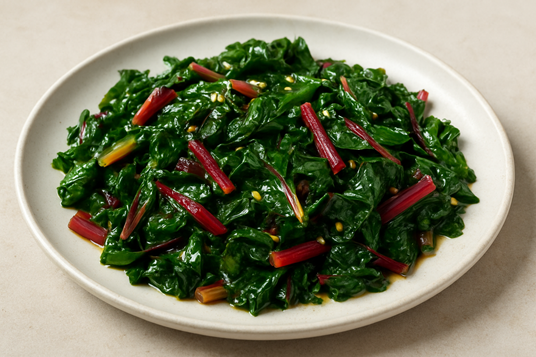
Swiss Chard is beloved by gardeners, chefs and health enthusiasts alike. Whether you call it swiss chard or simply chard, its adaptability in recipes and outstanding nutrition make it a staple vegetable to embrace.

🧬Swiss Chard Nutrition & Health Benefits
1. Vitamins and Minerals
When you include swiss chard in your diet, you’re bringing in a high-power mix of vitamins and minerals. For example, according to one nutrition breakdown: one cup (175 g↗) of cooked swiss chard offers roughly 477% of the Daily Value (DV) for vitamin K, 60% DV for vitamin A, 35% DV for vitamin C, and 36% DV for magnesium.
Additional key nutrients found in swiss chard include:
- Iron — contributes to red blood cell formation
- Potassium — supports blood pressure regulation
- Calcium — supports bone health
- Fiber — aids digestion and gut health
- Copper, manganese — trace minerals that support metabolism and antioxidant functions
Swiss Chard is low in calories yet high in nutrient density↗, making it a smart choice for those looking to boost nutrition without excess calories.
2. Antioxidants & Phytochemicals
Beyond the basic vitamins and minerals, swiss chard is rich in phytochemicals and antioxidants. For example:
- Flavonoids↗ such as quercetin, kaempferol found in swiss chard help protect cells against oxidative stress.
- Beta-carotene, lutein, zeaxanthin — pigments↗that help protect eye health and skin health.
- Betalains↗ — particularly in the stems/leaves of certain varieties, which contribute both colour and antioxidant capacity.
These compounds make swiss chard far more than just a leafy green: it’s a functional food with measurable health-supporting properties.
3. Health Benefits Explained
Now let’s unpack how swiss chard supports health, what the real-world benefits of swiss chard are, and why you should make swiss chard a regular part of your diet.
- Bone health & blood clotting support
Swiss chard is extremely high in vitamin K↗. Vitamin K is essential for activation of proteins that regulate blood clotting and for bone metabolism (osteocalcin and others). By including swiss chard regularly you’re helping your body maintain strong bones and healthy circulatory systems. - Heart & cardiovascular protection
The potassium, magnesium and fiber↗ in swiss chard support healthy blood pressure and cholesterol levels. Swiss chard’s antioxidants help protect the heart and blood vessels from oxidative damage. - Detoxification & antioxidant support
The rich phytochemical profile↗ of swiss chard makes it excellent for supporting the body’s antioxidant systems, combating inflammation, and aiding in detoxification pathways. - Digestive & gut-health support
Swiss chard brings both fiber and nutrients that support gut regularity and a healthy microbiome↗. Some sources highlight swiss chard for helping treat constipation and supporting bowel health. - Eye health
With lutein and beta-carotene↗ found in swiss chard, regular consumption may help protect against age-related macular degeneration and support overall vision health. - Blood sugar regulation/diabetes support
Swiss chard contains alpha-lipoic acid↗and other compounds that may aid in blood sugar regulation and insulin sensitivity, making swiss chard a smart green for metabolic health. - Weight management
Low in calories but high in nutrients and fiber, swiss chard can help you feel fuller for longer and support healthy weight-management strategies↗.
When you combine all of these, you see clearly why the benefits of swiss chard are compelling and why the nutrition of swiss chard is such a strong asset for your diet.
🛒How to Choose, Store & Prepare Swiss Chard
1. Choosing Fresh Swiss Chard
When selecting swiss chard at the market:
- Look for crisp, vibrant leaves that are not wilted or slimy.
- The stems (or ribs) should be firm and richly coloured (white, red, yellow, pink) and not brown or dry.
- Avoid yellowing leaves or spots — fresh swiss chard retains its leafy body and fresh stems.
- Because swiss chard is loaded with nutrients, freshness helps preserve the vitamin C and antioxidants content.
2. Storage Tips
To keep swiss chard fresh:
- Wrap the leaves in a damp (not wet) paper towel, then place inside a plastic bag.
- Store in the crisper drawer of your refrigerator.
- Use within 3-5 days for best flavour and nutrient retention.
- Do not wash until you’re ready to use — washing introduces moisture that accelerates spoilage.
3. Washing & Trimming
- Rinse the leaves thoroughly under cold running water to remove any soil or grit.
- Trim off any tough stems or discolouration. If the stems are thick and firm, you may separate them from the leaves for different cook times.
- Pat dry with a clean towel or use a salad spinner.
- Once washed and trimmed, swiss chard is ready to be cooked or added to your favourite recipe.
🍳How to Cook Swiss Chard
Swiss Chard is highly versatile. Here are several gentle, reliable methods to cook swiss chard to preserve flavour, texture and nutrition.
1. Sautéing Swiss Chard
Method:
- Ingredients: olive oil or butter, garlic (minced), a pinch of salt and pepper, optional red pepper flakes.
- Warm the oil in a skillet over medium heat.
- Add garlic and sauté briefly until fragrant (30 seconds).
- Add swiss chard stems (if thick) first and sauté for 1-2 minutes.
- Add leaves, stirring until wilted (2-3 minutes).
- Season with salt, pepper or a splash of lemon juice for brightness.
This quick sauté is a classic and efficient way to cook swiss chard while preserving nutrients and flavour.
2. Steaming/Blanching Swiss Chard
Method:
- Bring a pot of water to boil with a pinch of salt.
- Submerge swiss chard leaves (and stems if included) for 1-2 minutes.
- Immediately transfer the chard into ice water to “shock” and preserve bright colour.
- Drain well.
Steaming or blanching is a gentle cooking method that retains many of the nutrients found in swiss chard — ideal when you want a mild cooking approach or will use the chard in another recipe.
3. Incorporating Swiss Chard into Recipes
Because swiss chard wilts quickly, it’s often stirred in near the end of cooking or used raw/tender in salads or smoothies. Some useful approaches:
- Stir swiss chard leaves into soups or stews in the final 2–3 minutes of cooking.
- Add to pasta or grain bowls just before serving, so the leaves remain vibrant and tender.
- Use chopped swiss chard in omelettes or frittatas — the stems can be sautéed first if thick.
- Blend swiss chard into smoothies (with banana + berries) for a mild green boost.
- Use swiss chard instead of spinach or kale in many recipes for a slightly more robust leaf.
Swiss Chard Recipe Ideas
Here are five delicious recipe ideas to make swiss chard a star in your weekly rotation. Each recipe emphasises swiss chard, so you’re getting both flavour and function.
1. Swiss Chard Stir-Fry with Garlic
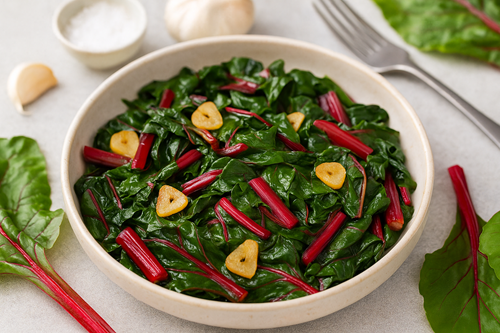
Ingredients:
- 1 large bunch swiss chard (washed, stems separated and chopped, leaves roughly chopped)
- 2 tbsp olive oil
- 3 cloves garlic, minced
- Salt, pepper to taste
- Optional: red pepper flakes, a squeeze of lemon juice
Method:
- Warm olive oil in a large skillet over medium-high heat.
- Add minced garlic, sauté for ~30 seconds until fragrant.
- Add chopped swiss chard stems, sauté 1–2 minutes until they begin to soften.
- Add the leaves and toss until wilted (approx. 2–3 minutes).
- Season with salt, pepper and a splash of lemon juice if desired.
- Serve as a side or toss with cooked rice/quinoa for a main.
2. Swiss Chard and Feta Stuffed Pastries
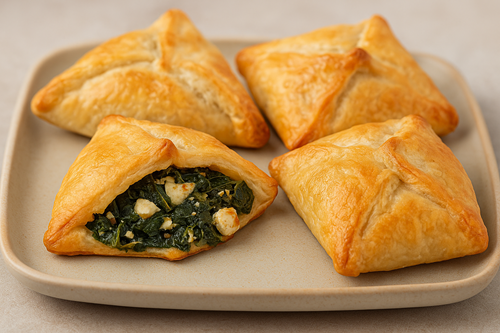
Ingredients:
- 1 bunch swiss chard, stems chopped, leaves chopped
- 1 small onion, diced
- 2-3 cloves garlic, minced
- 150 g (≈1 cup) crumbled feta cheese
- 1 beaten egg (for binding)
- 4 sheets filo or puff pastry
- Olive oil or melted butter for brushing
Method:
- Blanch the swiss chard for ~1 minute, drain, chop and squeeze excess moisture.
- Sauté onion + garlic in a little olive oil until softened. Add chopped swiss chard, cook ~2 minutes, season with salt & pepper.
- Mix in crumbled feta and beaten egg; stir to combine.
- On a pastry sheet, place mixture, fold/roll into pastry parcels, brush top with oil/butter.
- Bake in pre-heated oven (around 200 °C / 400 °F) for ~15–20 minutes until golden.
- Serve warm — a delicious way to showcase swiss chard in pastry form.
3. Swiss Chard Soup
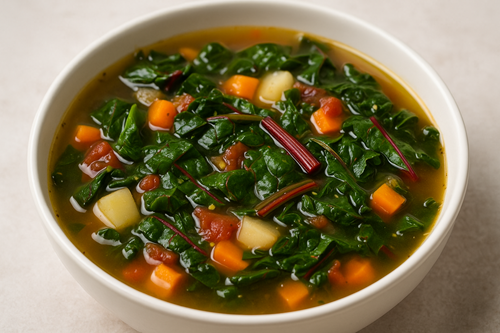
Ingredients:
- 1 tbsp olive oil
- 1 onion, diced
- 2 cloves garlic, minced
- 2 carrots, chopped
- 2 celery sticks, chopped
- 1 bunch swiss chard (chopped leaves + stems separated)
- 4 cups vegetable or chicken broth
- 1-2 potatoes, peeled & cubed
- Salt, pepper, optional herbs (thyme or parsley)
Method:
- In a large pot, heat olive oil and sauté onion + garlic until fragrant.
- Add carrots, celery and potato cubes; cook 2-3 minutes.
- Add broth, bring to boil, then reduce heat and simmer ~10 minutes until vegetables are tender.
- Add chopped swiss chard stems first (2 minutes) then leaves, simmer another 2–3 minutes until wilted and tender.
- Use an immersion blender to partially blend for creamy texture (optional).
- Season with salt, pepper and herbs. Serve hot with crusty bread.
4. Swiss Chard Smoothie
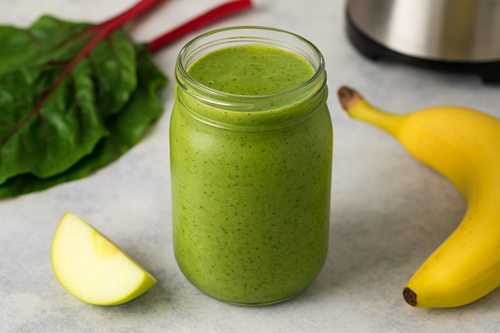
Ingredients:
- 1 banana
- 1 cup chopped swiss chard (stems removed)
- ½ cup Greek yogurt or plant-milk
- ½ cup frozen berries
- 1 tbsp nut butter (optional)
- Splash of water / ice to blend
Method:
- Add all ingredients into blender, starting with liquid.
- Blend until smooth and creamy.
- Pour into glass and enjoy.
This is a quick, nutrient-dense way to get swiss chard into your breakfast or snack routine — especially when you’re short on time but want the benefits of swiss chard nutrition.
5. Swiss Chard Grain Bowl
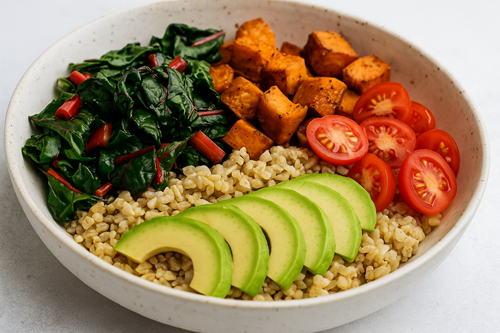
Ingredients:
- 1 cup cooked quinoa (or rice/bulgur)
- 1 bunch swiss chard, chopped
- 1 roasted sweet potato, cubes
- ½ cup chickpeas (cooked or canned, rinsed)
- 2 tbsp tahini dressing (or olive oil + lemon + garlic)
- Salt, pepper, optional toasted seeds or nuts
Method:
- In a large bowl, place cooked quinoa.
- Lightly sauté the chopped swiss chard (with a bit of garlic) just until wilted.
- Add roasted sweet potato cubes, chickpeas and sautéed swiss chard on top of quinoa.
- Drizzle with tahini (or dressing), season with salt & pepper, sprinkle seeds or nuts for crunch.
- Toss lightly and serve.
This vibrant grain-bowl is a great way to include swiss chard in a meal that’s both satisfying and health-packed.
🌟Benefits of Swiss Chard — Why It Matters
Let’s revisit those benefits and underscore why the benefits of swiss chard matter in daily life:
- Daily nutrient boost: Swiss chard delivers dense nutrition in a small serving — high in vitamins K, A, C, minerals and phytonutrients.
- Heart & bone health: With potassium, magnesium and vitamin K, swiss chard supports bone density and cardiovascular wellness.
- Antioxidant protection: The nutrition of swiss chard includes antioxidants that help combat chronic disease and oxidative stress.
- Blood sugar support: The fiber and plant compounds in swiss chard may help moderate blood glucose levels — meaning the benefits of swiss chard extend into metabolic health.
- Versatility & sustainability: Swiss chard is easy to grow (or purchase), easy to integrate into many meal types — making it a smart, affordable green to rely on.
- Digestive & gut health: Swiss chard supports gut function through fiber and mild, beneficial compounds.
- Visual & culinary appeal: The colourful stems of swiss chard make it visually exciting — which helps you enjoy eating more of it and embracing the nutrition of swiss chard in your meals.
When you make swiss chard a regular feature in your diet, you’re not just filling a plate — you’re delivering a smart nutrition choice, embracing whole-food wellness, and tapping into the long-term benefits of swiss chard for your body.
❓Frequently Asked Questions
Q1: Is swiss chard the same as spinach?
A: Not exactly. Swiss chard has thicker stems and a slightly earthier flavour compared to spinach. They’re different vegetables, albeit both leafy greens. Swiss chard wilts faster, has more robust stems and a slightly deeper flavour profile.
Q2: Can I eat swiss chard raw?
A: Yes — young or tender leaves of swiss chard can absolutely be eaten raw in salads or smoothies. More mature leaves benefit from light cooking (sautéing, steaming) to soften the fibres and bring out flavour.
Q3: Does swiss chard contain oxalates?
A: Yes, swiss chard does contain oxalates↗ (which can bind calcium and may pose a risk for people predisposed to kidney stones). If you have a history of kidney stones, moderate intake and consult your healthcare provider is wise.
Q4: How often should I eat swiss chard?
A: There’s no fixed rule — but incorporating swiss chard 2–4 times per week is a realistic and beneficial target for many people. Variety remains key — mixing swiss chard with other greens ensures you get a broad nutrient spectrum.
Q5: Can I freeze swiss chard?
A: Yes. You can blanch swiss chard (1 minute in boiling water), immediately transfer to ice water to stop cooking, drain, pat dry, and then freeze in sealed bags or containers. Use within 6–8 months for best quality.
🧡Final Thoughts
Swiss Chard is far more than a simple leafy green — it’s a Swiss Chard Sensation, waiting to uplift your meals, nourish your body and expand your cooking repertoire. With its standout nutrition, delightful versatility, and profound health benefits, incorporating swiss chard into your weekly rotation can bring tangible wellness improvements.
From learning how to cook swiss chard in time-saving ways to enjoying inventive swiss chard recipes, you now have everything you need to make this vegetable a positive staple in your diet. The benefits of swiss chard are real, the swiss chard nutrition is impressive, and once you try it in different forms, you’ll see why so many lovers of greens rave about swiss chard.
So grab a bunch of swiss chard, get cooking, and savour the vibrant, nourishing power it brings. Let this green companion become part of your joy-filled kitchen journey. 🌿
Happy cooking—and may the benefits of swiss chard fill your plate, your body, and your life with colour and health!
- How To Make Cheesy Baked Zucchini Casserole: Irresistible Comfort Recipe🧀🥒🔥
- 30+ Popular Ways to Cook Spaghetti Around the World🌍
- How To Make Instant Pot Spaghetti – Delicious One-Pot Comfort Meal🍝🔥
- How To Make Leftover Stew Spaghetti: The Delicious Quick-Fix Recipe🍝
- How To Make Garlic Butter Spaghetti: Irresistible Comfort Pasta Recipe🧈

Did you like this article? Please do leave a comment and rating on the blog. Follow us on Pinterest @9jakitchen and Instagram @real9jakitchen